






Noise & Vibration

Taking timely action to prevent additional costs and downtime
Vibration and noise are invisible risks to comfort, sustainability and compliance. Problems in this regard can be effectively prevented, provided they are identified in good time. Retrofitting is sometimes necessary, but is always more complex.
EMHA carries out noise and vibration measurements across various sectors, such as the maritime sector (shipping), industry and civil engineering. In addition to carrying out measurements, we also perform calculations. For this purpose, we use a range of calculation and software models developed in-house. These models are continuously refined based on practical measurement results. Thanks to our robust database and experience, calculations can be carried out relatively quickly.
How we can help you
Noise and vibration measurements
Reviewing construction specifications
Developing insulation plans
Acoustic privacy measurements
Forced vibration calculations
Noise assessment
Support for the owners’ representative
Suspension arrangement for propulsion system & generator

Noise and vibrations in maritime
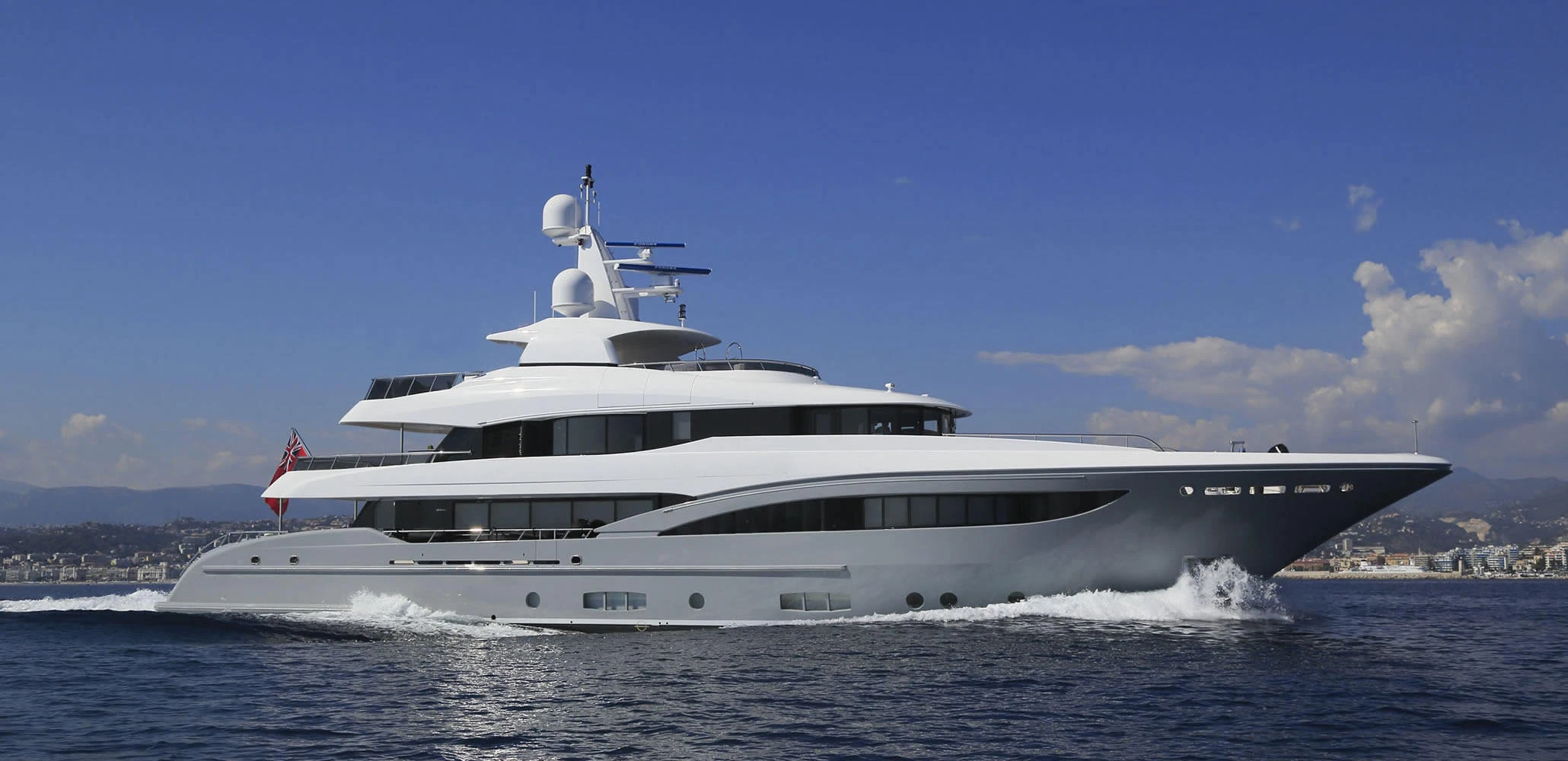
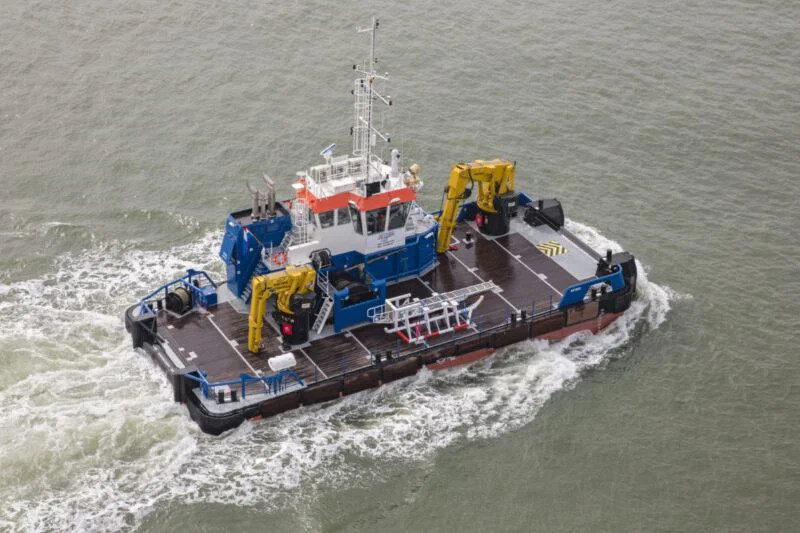
EMHA carries out comprehensive noise and vibration measurements within the maritime sector, ranging from inland waterway vessels to luxury yachts. In addition to carrying out measurements, EMHA advises clients on noise and vibration, for example when drawing up construction specifications and insulation plans. Various checks are carried out during the construction process, such as natural frequency measurements and acoustic privacy tests. Noise and vibration levels are measured during FAT tests, sea trials and port operations. Specific noise requirements apply to inland waterway vessels, with a distinction made between vessels built before and after 1 April 1976, and ES-TRIN is often used as the standard.
Measurement techniques for noise and vibrations
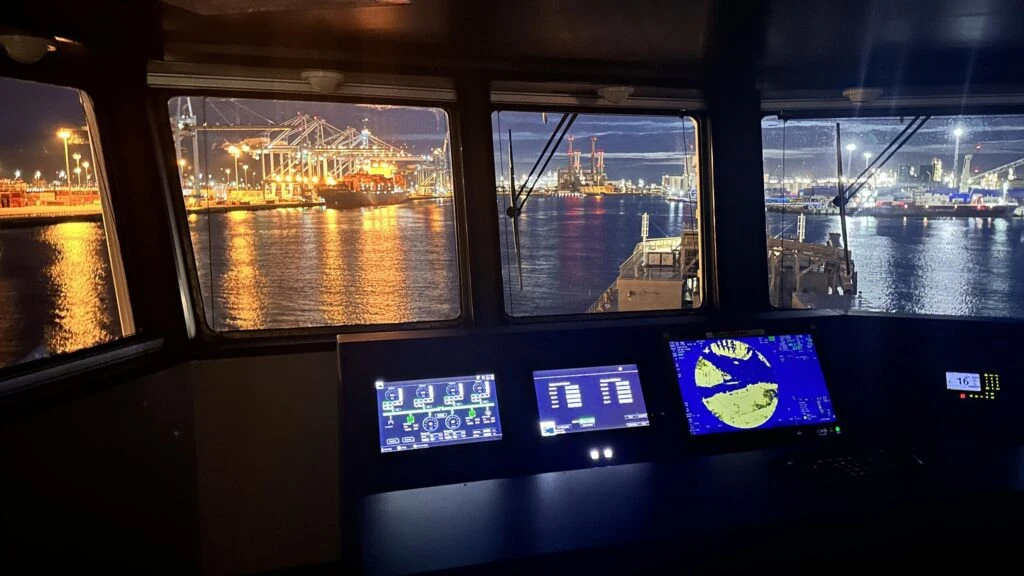
Noise and vibration measurements involve the use of microphones and accelerometers, linked to meters and analysers to record sound pressure and frequencies. The correct selection, positioning and calibration of sensors are essential, as is the avoidance of interference. Standards such as ISO standards are important when interpreting results. The measurements contribute to a safe and comfortable working environment and help to predict the service life of components. Specifically for noise, both the overall level and tonal components are analysed, with amplitude, wavelength and frequency being the key concepts in acoustics.
Where expertise
becomes results
‘EMHA consistently delivers top quality in the field of vibration measurements. Together, we are able to support our customers quickly and effectively, wherever they are in the world.’


‘In a recent multidisciplinary project, EMHA supported us with complex engineering issues relating to the vibration behaviour and analysis of structures and machinery. EMHA’s engineers worked as an extension of the KCI engineering team.’

What else would you like to know about Noise & Vibration?
Frequency determines the pitch of a sound: high frequencies sound sharp, whilst low frequencies sound more like a hum. Amplitude determines the intensity of the sound. Together, these factors determine how sound is perceived and what measures are needed to minimise disturbance.
Tonal components are specific frequencies that appear as peaks in the sound spectrum. These are often perceived as unpleasant, for example as high-pitched whistling or humming noises. In addition to the overall sound level, these components are therefore also taken into account, as they play an important role in perceived comfort.
No. Measurements are taken at various stages, such as during the FAT, site visits, sea trials and whilst the vessel is in port. This provides a comprehensive picture of how the systems perform under different conditions and allows their performance to be accurately assessed.
Yes. As well as comfort, noise and vibrations play a role in the safety of structures and equipment, the health of the crew and even marine life. Unwanted vibrations can cause damage, whilst noise can have an impact on the working environment and the surrounding area. That is why analyses are carried out not only with comfort in mind, but also with safety and sustainability in mind.
EMHA prefers to become involved at an early stage, for example when drawing up construction specifications. By assessing requirements and making forecasts in advance, insight is gained into feasibility and risks. Throughout the project, EMHA remains involved through checks and advice, thereby preventing problems at an early stage and ensuring that adjustments can still be made.
Noise forecasts provide advance insight into expected noise levels under various operating conditions. They are used to inform design decisions and identify risks at an early stage. Based on these forecasts, targeted measures can be taken before construction begins, thereby preventing costly modifications later on.
Based on measurements and forecasts, EMHA makes targeted recommendations to reduce noise levels. These can range from adjustments to design and insulation to the optimisation of components such as propellers and configurations. EMHA actively assists virtually all sectors of the shipping industry (inland waterway transport, luxury yachts, maritime shipping, etc.) in complying with applicable noise requirements.
Propeller design has a direct impact on noise, vibration, fuel consumption and performance. A well-designed propeller prevents unwanted vibration and noise pollution. EMHA can advise on which standards may be applied.
In the case of spring-mounted systems, consideration is given to the selection and application of vibration dampers and flexible couplings. These components are crucial for limiting vibrations from equipment, such as motors and generators, and preventing structural overload. The entire system can also be analysed to ensure optimum performance.
An insulation plan focuses on minimising sound transmission and takes into account acoustic, thermal and fire safety requirements. A privacy plan specifies the required sound insulation between rooms, ensuring that comfort and privacy requirements are met. Both plans complement each other within an integrated design.
Want to speak to an expert directly?
Bas Planken
Need help or advice?
Together we provide clarity, priority and a clear plan of actio
